


An In-Depth Breakdown of Casino App Payment Options
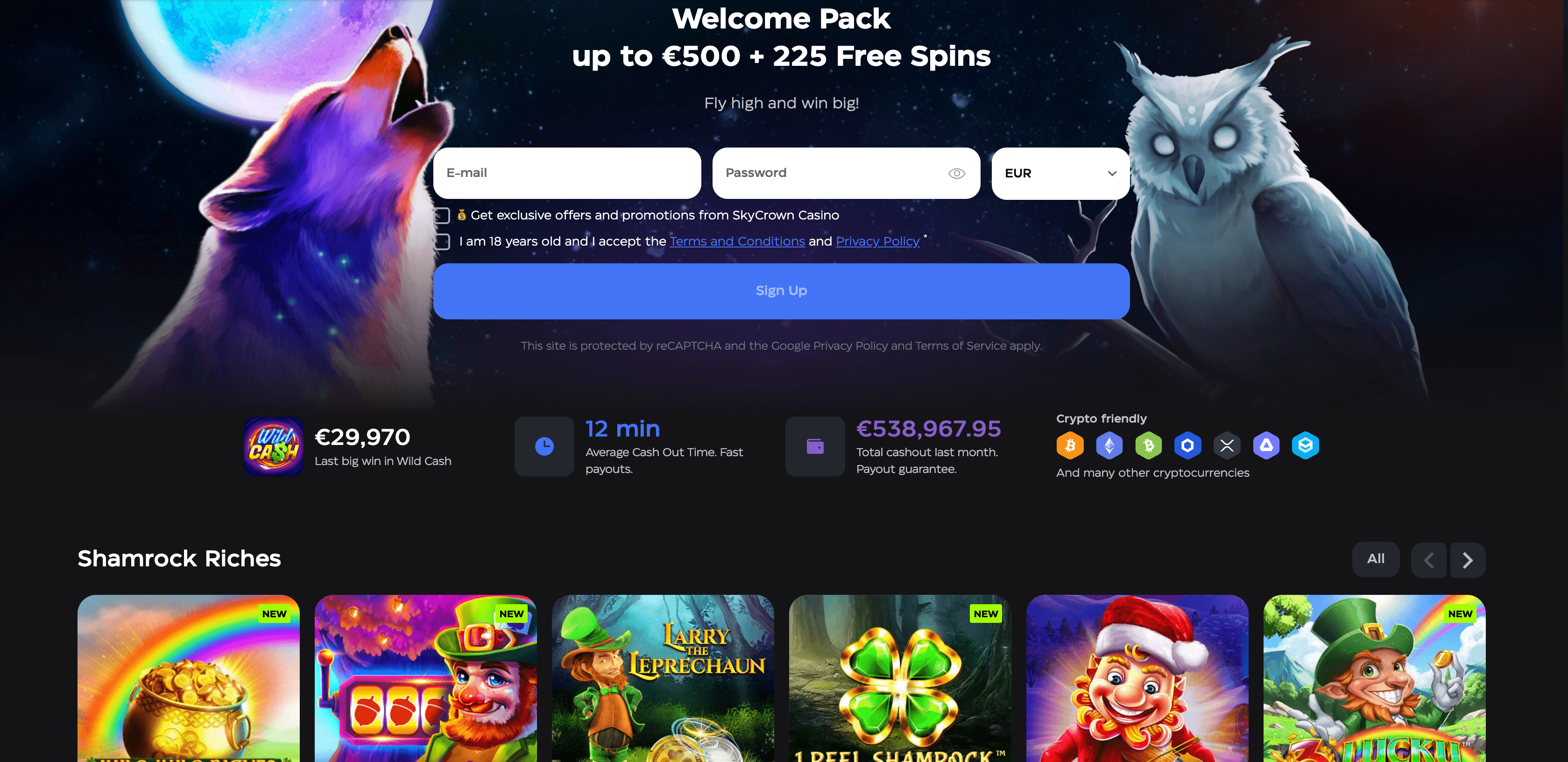
Managing the financial side of mobile gaming ought to be seamless, yet many users find themselves overwhelmed by the sheer variety of deposit and withdrawal methods available today https://skycrowns.de/app/. A thoughtfully crafted casino application integrates payment systems that emphasize speed, security, and convenience, letting players to focus on entertainment rather than transaction logistics. Comprehending the mechanics behind these options turns a routine task into a strategic advantage. Regardless of a user prefers traditional banking, digital wallets, or cutting-edge cryptocurrency, each method carries distinct characteristics that affect processing times, fees, and overall accessibility. This comprehensive guide examines every facet of mobile casino payments, delivering clarity for both newcomers and experienced players who seek seamless financial interactions within their chosen gaming environment.
Standard Banking Services on Mobile
Despite the rise of digital options, traditional banking systems remain among the most reliable payment options for casino app users worldwide. Credit and debit cards issued by Visa and Mastercard dominate this category, offering recognition that breeds confidence among players who might hesitate to adopt newer technologies. Bank transfers, while slower, appeal to high-volume players prioritizing security and higher transaction limits over speed. These established methods benefit from decades of consumer protection progress, chargeback mechanisms, and universally recognized dispute resolution systems. The psychological comfort of using the same payment tool for grocery shopping and casino deposits should not be underestimated among demographics less familiar with purely digital financial products.
Credit and Debit Card Transactions
Debit card payments represent the gateway for most mobile casino users, delivering instant deposits with basic setup requirements. Players just type their sixteen-digit card number, expiration date, and CVV code to credit accounts immediately. The broad acceptance of Visa and Mastercard assures near-universal compatibility across casino applications, removing the frustration of discovering unsupported payment methods after registration. However, card users must keep in mind that some issuing banks prevent gambling-related transactions due to internal policies or regional regulations. Rejected deposits commonly stem from bank restrictions as opposed to casino-side issues, necessitating players to get in touch with their financial institution for resolution. Withdrawal processing via cards typically requires three to five business days, not as fast than most digital alternatives but adequate for players who prioritize consistency over speed.
Wire Transfers and Electronic Payments

Bank transfers cater to a specific group of casino app users who prioritize security and high transaction caps above all else. These payments move money directly among bank accounts and casino operator accounts excluding middleman e-wallets or payment providers, cutting the count of parties processing sensitive financial data. Processing times span from one to five business days depending on the banking institutions involved and as to whether transfers move across international borders. The primary benefit is evident in deposit and withdrawal limits, which typically exceed those of cards or e-wallets by substantial margins. High-stakes betting enthusiasts regularly prefer this method despite the waiting period, as the capability to shift five or six-figure sums in single transactions exceeds speed factors. Some operators also offer instant bank transfer solutions through open banking interfaces, closing the divide between traditional banking and modern expectations.
Electronic Payment Solutions and Digital Payment Systems
Electronic wallets have transformed how gamblers engage with casino applications, bringing degrees of ease and discretion that conventional approaches cannot rival. Services like Skrill, Neteller, PayPal, and ecoPayz serve as buffers between bank accounts and gaming platforms, securing sensitive financial information from several sources. Users load their e-wallet accounts through different methods, then fund gaming sites using only their wallet credentials. This division proves particularly valuable for individuals who like to keep betting activities distinct from primary bank statements. The faster processing extends to payouts, with numerous digital wallets managing casino cashouts within hours rather than extended times. As smartphone payments continues growing across the world, e-wallet adoption among gaming customers grows accordingly, propelled by smartphone-native payment experiences that feel easy to modern consumers.
Popular E-Wallet Options Compared
Every prominent e-wallet brings distinct features to the mobile casino journey. Skrill and Neteller, both operated by the Paysafe Group, have deep connections with gambling operators and often include reduced fees for gaming transactions. PayPal offers superior consumer trust and buyer protection systems, though its presence varies significantly by jurisdiction due to differing regulatory stances on gambling. ecoPayz provides multi-currency functionality appealing to international users who transact across different denominations. MuchBetter highlights mobile-first interface with device-based security options including fingerprint and facial recognition. When selecting an e-wallet, players should assess factors beyond brand fame, considering currency conversion charges, withdrawal time to their bank accounts, and whether the casino offers exclusive bonuses for specific payment solutions.
Setting Up and Utilizing Digital Wallets
Creating a digital wallet account needs only basic input but requires careful focus during the verification process. Users typically provide email addresses, set up secure passwords, and complete identity verification by uploading identification documents and proof of address. This initial process grants access to fund the wallet through bank transfers, card payments, or even cryptocurrency in some cases. Once funded, depositing at a casino app means choosing the wallet option, entering the deposit amount, and confirming through the wallet’s authentication system, which may include two-factor verification. Cash-outs follow a reverse process, with casino winnings arriving in the wallet before users transfer funds to their bank accounts. The intermediate step offers adaptability, allowing players to allocate balances to multiple casinos or hold balances for future gaming sessions without repeatedly exposing banking details.
Troubleshooting Common Payment Issues
Properly functioning casino payment systems sometimes pose problems that frustrate users attempting deposits or withdrawals. Recognizing common failure points enables faster resolution and lessens anxiety when transactions fail to go through as expected. Most issues stem from bank-side restrictions, incomplete account verification, or temporary technical glitches rather than fundamental problems with casino platforms. Methodical troubleshooting approaches resolve the vast majority of payment problems without requiring extended customer support interactions. Players who acquaint themselves with these common scenarios conserve time and preserve uninterrupted gaming sessions.
Rejected card transactions frequently stem from issuing bank policies as opposed to insufficient funds, requiring players to contact their financial institution and permit gambling-related payments. Verification delays occur when submitted documents contain discrepancies, such as addresses not matching those registered with the casino account. Withdrawal processing times extend beyond expectations when players choose methods with inherently slower settlement periods, like wire transfers. Technical failures during deposit attempts at times are fixed simply by restarting the application or clearing cache data. When self-help measures fall short, reputable casino apps offer responsive customer support channels including live chat, which usually offers the fastest resolution for payment-related inquiries. Preserving records of transaction attempts, including screenshots of error messages, speeds up the support process significantly.
Comprehending the Fundamental Payment Infrastructure
The core of any dependable casino application depends on its payment infrastructure, which works through encrypted gateways linking players to financial institutions. Modern platforms utilize multiple layers of security protocols, including SSL encryption and tokenization, guaranteeing sensitive data never moves unprotected across networks. When a user begins a transaction, the app communicates with payment processors that verify funds, authenticate identity, and authorize transfers within seconds. This underlying architecture dictates whether deposits appear instantly or require waiting periods. The refinement of this infrastructure directly impacts user experience, as poorly optimized systems result in declined transactions, unexplained delays, and frustrated players. Quality operators invest heavily in redundant payment pathways, ensuring that if one processor experiences downtime, alternatives immediately assume control without disrupting service.
The Manner Transaction Processing Works Behind the Scenes
Any click of the deposit button initiates a intricate sequence that most users never see. The app first codes transaction details before routing them through a payment gateway, which acts as an intermediary between the casino and acquiring banks. This gateway executes initial fraud checks, analyzing factors like transaction velocity, device fingerprinting, and geographic anomalies. Once validated, the request gets to the card network or alternative payment provider, where additional verification takes place. The issuing bank then approves or rejects based on available funds and internal risk rules. This entire chain typically concludes within three to five seconds for successful deposits, though certain methods introduce additional steps that extend processing time. Comprehending this flow helps players appreciate why some methods feel instantaneous while others require patience.

The Part of KYC and Compliance in Payments
Know Your Customer protocols are mandatory parts of authorized casino transaction systems. Before processing significant withdrawals, platforms must authenticate player details through papers such as state-issued ID, proof of address, and sometimes source of funds declarations. These prerequisites, although occasionally regarded as burdensome, defend both providers and clients from scams, financial crime, and underage gambling. The verification system usually takes place once, afterward subsequent operations flow unimpeded. Advanced platforms have streamlined this experience through automated document scanning and smart checking, cutting approval periods from several days to just hours. Players should anticipate these obligations and organize documents prior, notably when planning substantial transactions that will definitely prompt enhanced scrutiny under compliance frameworks.
Future Trends in Casino App Payments
The payment landscape keeps developing rapidly, with emerging technologies ready to revolutionize how players fund their casino app accounts. Open banking initiatives aim to remove card networks from transaction chains, enabling direct account-to-account transfers with enhanced speed and reduced costs. Central bank digital currencies might in time deliver government-backed digital payment rails combining cryptocurrency efficiency with fiat stability. Biometric authentication will likely deepen, potentially enabling payments verified through behavioral patterns rather than explicit user actions. Artificial intelligence is set to drive fraud detection systems, minimizing false declines while detecting sophisticated attack patterns. These developments indicate a future where payment friction approaches zero, with transactions happening nearly unnoticed as players devote themselves to their gaming experience.
Casino operators adopting payment innovation today place themselves strategically for tomorrow’s expectations. The integration of multiple emerging technologies into cohesive payment experiences will separate industry leaders from followers. Players profit from this competition through increasingly seamless transaction experiences, lower costs, and greater choice. The convergence of mobile technology, financial innovation, and regulatory evolution generates an environment where the payment methods on offer five years from now could hardly look like today’s options. Staying informed about these developments permits players to take advantage of new capabilities as they become available, enhancing their casino app experience through informed payment method selection that weighs speed, cost, security, and convenience according to individual priorities.
Digital Currency Payment Integration
Crypto has emerged from niche curiosity to widespread payment option within forward-thinking casino applications. Bitcoin, Ethereum, Litecoin, and stablecoins including USDT deliver transaction characteristics fundamentally different from fiat alternatives. Blockchain technology permits anonymous transfers that cater to discreet players while providing settlement finality that eliminates chargeback risks for operators. Transaction fees vary significantly based on network congestion and chosen cryptocurrency, varying from nominal to substantial during peak periods. The learning curve linked to wallet management and exchange purchases at first limited adoption, but user-friendly casino apps have streamlined the process considerably. Today, players can often acquire cryptocurrency straight through embedded exchange services within casino platforms, removing technical barriers that previously dissuaded mainstream users from using these payment rails.
Benefits and Considerations of Crypto Payments
The perks of cryptocurrency for casino app transactions reach beyond the commonly referenced privacy benefits. Withdrawal processing constitutes arguably the most compelling use case, with crypto transfers generally concluding within minutes to hours no matter the size, removing the multi-day waiting periods standard for banking methods. Deposit limits frequently surpass fiat alternatives, as blockchain payments do not pass through intermediary banks imposing arbitrary restrictions. However, volatility introduces risk for players holding balances in non-stablecoin cryptocurrencies between gaming sessions. A significant win cashed as Bitcoin could drop in value before conversion to fiat currency. Additionally, the irreversible nature of blockchain transactions signifies errors in wallet addresses result in permanent fund loss, demanding heightened attention during the payment process. Players must weigh these factors against the undeniable speed and autonomy benefits.
How Casino Applications Process Crypto Transactions
Casino applications supporting cryptocurrency typically produce distinct deposit addresses for each transaction, ensuring funds are directed correctly to player accounts. The process begins when a user picks their preferred cryptocurrency and specifies a deposit amount. The app shows a wallet address, often accompanied by a QR code for mobile wallet scanning, and the player transfers funds from their external wallet or integrated exchange account. Blockchain confirmations dictate when funds become available for play, with most operators requiring between one and six confirmations depending on the cryptocurrency. Some platforms have introduced zero-confirmation policies for small deposits, granting accounts instantly while bearing the minimal risk of double-spend attacks. Withdrawals necessitate players to provide their receiving wallet address, after which the casino broadcasts the transaction to the network. Transaction hashes enable players to independently verify processing on public block explorers.
Safety Measures Protecting Mobile Transactions
Casino payment protection on mobile extends far beyond standard password safeguards, integrating multiple protection layers that work nonstop. Ciphering methods encrypt data during transmission, making intercepted information worthless to attackers. Tokenization replaces confidential card data with placeholder values, ensuring actual financial data never remains on casino servers. 2FA adds confirmation steps beyond passwords, often demanding codes from separate devices or biometric verification. These techniques work together to create security stances that surpass those of many financial apps, indicating the gambling industry’s strict regulatory oversight regarding financial transactions. Players should comprehend these safeguards to appreciate the security of properly licensed casino apps while remaining vigilant about their own security practices.
Encryption Protocols and Information Security
Modern casino applications use encryption standards initially created for armed forces and financial institution use. Transport Layer Security protocols establish encrypted tunnels between player devices and casino servers, preventing man-in-the-middle attacks that try to intercept payment data. Cutting-edge platforms implement Perfect Forward Secrecy, producing unique encryption keys for each session so that breaching one key cannot expose past or future communications. At rest, stored data is subject to encryption using AES-256 standards, the same specification approved for classified government documents. These technical measures work invisibly, demanding no user configuration while offering robust protection. Players can verify encryption implementation by confirming the padlock icon in their browser or app security indicators, though mobile apps require believing that operators have properly implemented these standards within their native code.
Responsible Gambling and Payment Controls
Payment systems within established casino apps serve twofold functions, supporting transactions while providing responsible gambling tools that shield vulnerable players. Deposit caps let users to cap per day, per week, or per month deposit sums, establishing firm limits that stop impulsive overspending. Session reminder features record gaming time and expenditure, delivering alerts when pre-set thresholds are crossed. Self-exclusion mechanisms integrate with financial platforms to prevent all transactions for specified periods, preventing funding tries during cooling-off times. These tools function at the payment processor level, implying they work regardless of which transaction option a player attempts to use. Casinos devoted to player welfare keep these tools noticeable and accessible, acknowledging that responsible gaming needs robust spending safeguards that allow users to keep authority over their financial behavior.
Assessing Fees and Transaction Times
Intelligent payment method selection demands understanding the complete cost picture beyond advertised features. Casino operators rarely charge deposit fees, but payment providers themselves may apply costs ranging from negligible percentages to substantial fixed amounts. Currency conversion constitutes a frequently overlooked expense, particularly for international players depositing in currencies other than their casino account denomination. Processing times create opportunity costs, as funds tied up in pending withdrawals cannot earn interest or be utilized elsewhere. The following breakdown underscores key considerations players should assess when choosing payment methods for their mobile casino activities.
- Deposit speed: E-wallets and cryptocurrencies typically process instantly, while bank transfers may require one to five business days before funds appear in casino accounts
- Withdrawal processing: Casino internal review periods vary from hours to days, after which payment method speed dictates final delivery time
- Currency conversion fees: Dynamic currency conversion at casinos often entails unfavorable exchange rates versus converting through payment providers or banks before depositing
- Monthly maintenance costs: Some e-wallets apply inactivity fees or account maintenance charges that build up if accounts sit dormant between gaming sessions
- Minimum and maximum limits: Payment methods carry different transaction floors and ceilings that may not align with individual playing budgets
Mobile-Optimized Payment Technologies
The mobile gaming revolution has generated payment innovations developed specifically for smartphone users. These technologies harness device capabilities including biometric sensors, near-field communication chips, and operating system-level payment frameworks. Apple Pay and Google Pay are the most prominent examples, allowing players to fund casino accounts using stored cards without manually entering payment details. Carrier billing provides another mobile-native option, applying deposit amounts directly to phone bills or deducting from prepaid balances. These methods thrive in convenience, minimizing deposit friction to mere seconds while maintaining security through device-level authentication. The integration between mobile payment systems and casino apps keeps deepening as operators recognize that players who deposit easily deposit more frequently.
Apple Pay alongside Google Pay in Casino Apps
The incorporation of Apple Pay and Google Pay in casino applications signifies a substantial advancement in deposit convenience. These services tokenize card information, substituting actual card numbers with device-specific tokens that become worthless if intercepted. Authentication happens through biometric verification, necessitating Face ID, Touch ID, or fingerprint confirmation before transactions process. This security model removes the vulnerability linked with typing card details into apps while greatly accelerating the deposit experience. Players easily select the Apple Pay or Google Pay option, authenticate with their device, and set the amount. The entire interaction concludes in under ten seconds. Availability relies on both casino operator implementation and regional support for these services, with coverage expanding steadily as mobile payment adoption grows globally across all merchant categories.
Carrier Billing and Prepaid Options
Carrier billing provides unique advantages for occasional players who favor maintaining gambling expenditures separate from banking relationships entirely. This method allows deposits to show up on mobile phone bills or subtract from prepaid airtime balances, eliminating the need for bank accounts or cards. Transaction limits are inclined to be more modest than other methods, making carrier billing ideal for recreational players rather than high-volume users. Prepaid vouchers such as Paysafecard deliver analogous separation, necessitating players to buy vouchers with cash at retail locations before entering codes within the casino app. These methods especially resonate to users in regions with weaker banking penetration or those who maintain strict gambling budgets. The anonymity aspect draws players troubled about gambling transactions being visible on bank statements, although withdrawal options stay restricted, usually demanding different methods for cashing out winnings.
Regional Variations and Currency Handling
Payment method availability varies dramatically across multiple territories, influenced by local rules, banking systems, and player preferences. Casino applications serving worldwide players must navigate this complicated terrain, offering payment options customized for individual markets. Currency handling brings another aspect, as users typically prefer dealing in their local currencies to sidestep exchange fees. Multi-currency casino platforms tackle this by keeping balances in different currencies or providing favorable conversion rates. Knowing regional payment landscapes assists gamblers predict which options will be accessible and plan accordingly when travelling or using gambling apps across countries.
- European regions feature strong e-wallet adoption alongside open banking solutions that allow direct bank transfers without card details
- Asian jurisdictions demonstrate strong mobile wallet adoption, with local services like Alipay and WeChat Pay leading alongside digital currency acceptance
- North American gamblers come across card-centric ecosystems with increasing acceptance of PayPal and developing cryptocurrency choices as regulations evolve
- Latin American markets progressively adopt regional payment options including Boleto, OXXO, and several regional e-wallet services customized for unbanked communities
- African markets demonstrate advanced mobile money utilization through solutions like M-Pesa, which combine communication networks with payment operations